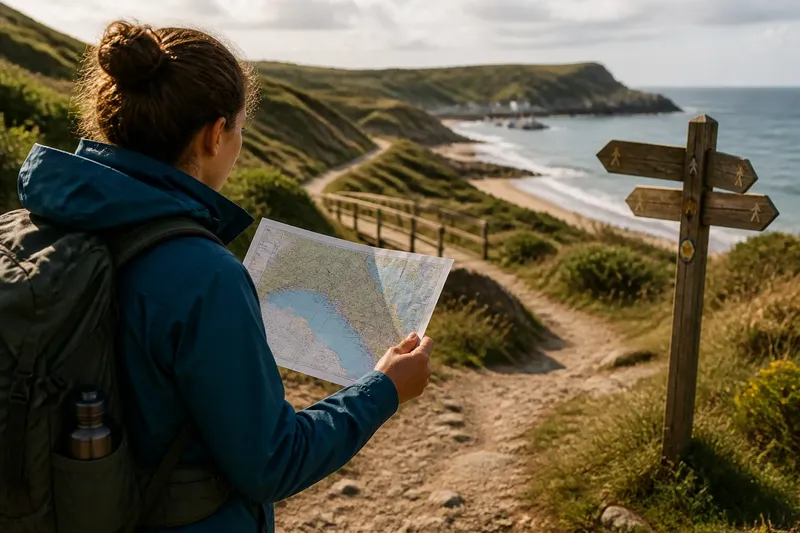
A Day Pack That Makes Sense Before You Leave
Organize a coastal day pack by when you’ll use each item, so you can check it quickly, reach what you need, and adapt the contents to your outing.
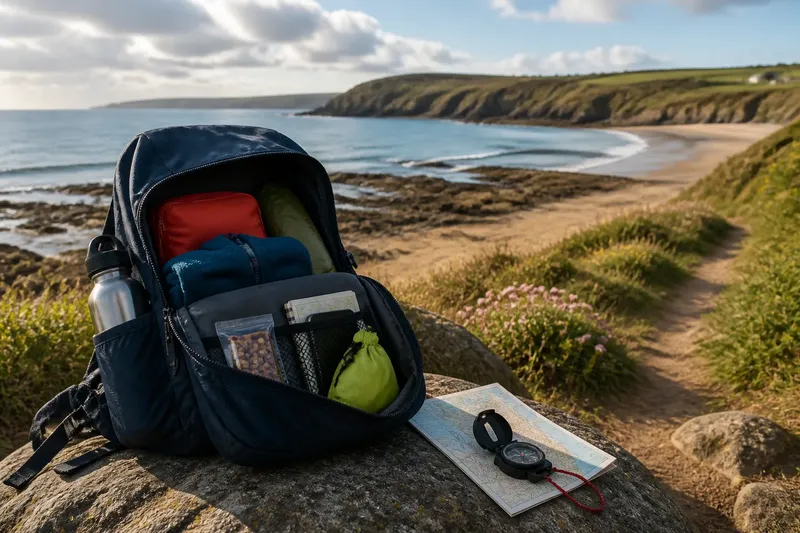
How do you organize a day pack so you can find what you need without carrying the same kit on every coastal outing? Sort belongings by when you expect to use them, then place each group where it is easy to reach at the right moment. A familiar layout makes the pack easier to check while leaving its contents suited to your route and plans.
The aim is not to make every trip look the same. A short walk near a road may call for different belongings than a longer stretch of exposed shore. Decide what the outing asks of you, group items by purpose, arrange them for access, and check the result before leaving.
Start with the shape of the outing
Before opening drawers or pulling gear from a closet, think through the day in broad phases. You might travel to the coast, walk for a while, stop for lunch, and return. A paddling outing has different phases, and some items may need to stay secured rather than immediately accessible. Identify the moments when you may want something; there is no need to build an elaborate itinerary.
Ask yourself a few practical questions. Will you be near shops or a vehicle, or away from them for much of the day? Are you likely to get damp, chilly, or hungry? Is there a reason to keep your hands free while moving? Your answers help distinguish useful items from things that are merely familiar.
Check relevant conditions and any instructions for your activity. Follow a product’s care or use label, and check local access rules before packing. That is easier than trying to sort out a restriction at the trailhead.
Sort belongings by when and why you use them
Lay out only the items you are considering. Make small groups based on their job and timing: things for the journey, items for an ordinary stop, and belongings you may want if the outing changes. These are sorting prompts, not fixed equipment categories. One item may belong elsewhere for your particular plans.
A snack is usually for a planned pause, while a phone may be useful throughout the day. A spare layer may help if conditions shift, and a small rubbish bag can keep wrappers together at a stop. Keep similar-purpose items together when that makes them easier to notice, but do not force unlike things into a group just to make the layout look tidy.
Set aside anything with no clear reason to come along. An item can serve more than one purpose, but you should be able to explain why it belongs on this outing and when you might use it. If you cannot, leave it out for now and reconsider once the rest of the pack is arranged.
Pack groups in the order you will reach for them
Put items you may need without stopping near the top or in an easy-to-reach outer pocket. That might mean a snack, a map you intend to consult, or a light layer for a pause. Keep things that can wait until a proper stop farther inside, grouped so you can retrieve them without emptying the pack.
A small pouch, reusable bag, or simple wrap can keep a group together. A bright pouch may make a small item easier to spot among darker fabrics. There is no need to buy matching organizers; a clean bag you already own may do the job. Choose containers that suit their contents and do not create a rummaging problem of their own.
Say you are planning a walk along a sheltered stretch of coast with a lunch stop. You decide your phone and route notes should be reachable during the walk, while lunch and a spare top can sit together deeper in the pack. You put a small rubbish bag beside the food, then check that the outer pocket closes easily. The expected result is that everyday items are within reach and the lunch group stays together when you stop.
Keep belongings that should stay dry or protected in a suitable container; an ordinary pocket may not be waterproof. Avoid placing a heavy or awkward object where it makes the pack uncomfortable or affects your balance. If an item is fragile, sharp, or needs special handling, follow its instructions and pack it so it cannot injure you or damage other belongings.
Check access before you close the pack
A visual check helps, but a quick reach check tells you more. With the pack upright, open the pockets you expect to use and confirm that the intended item is there. Consider whether you can reach it while stopped safely, without scattering everything on the ground. Repack any group buried under belongings you are unlikely to need first.
- Check whether the items for an ordinary pause are together; if they are, keep the group in its chosen spot, but if they are scattered, gather them in a pouch or one pocket.
- Check whether anything you may need while moving is secure and reachable; if it is, leave it there, but if it could fall out or is buried, move it to a secure outer pocket.
- Check whether food and rubbish materials are easy to find at the same stop; if they are, keep them together, but if not, place the rubbish bag beside the food.
- Check whether delicate or moisture-sensitive belongings are protected as intended; if they are, leave the container closed, but if not, move them to a suitable protective container.
- Check whether every pocket closes without force or caught fabric; if it does, leave the arrangement as it is, but if not, remove or reposition the obstructing item.
- Check whether each item has a clear role today; if it does, keep it, but if it is present only from habit, set it aside and reassess whether the route or your needs justify bringing it.
If one check reveals a snag, change the arrangement before adding more items. A familiar pocket is not automatically the right pocket. The useful test is whether an item’s placement matches the moment you expect to use it.
Leave room for the outing to change
Plans can shift. You may take a longer break, get a little damp, or decide to turn back earlier than expected. Arrange the pack so a likely adjustment does not require pulling every item out. Keep related belongings together, and leave some flexibility for an item you may pick up or a layer you take off.
Flexibility is different from packing for every imaginable problem. Carrying duplicates of ordinary items can add clutter without making access better. If you are unsure whether something belongs, consider the actual route and the help or supplies available nearby. Pack for the outing you are taking, not a fantasy day that combines every possible condition.
What is not worth the effort? Repacking the entire bag into a complicated system of tiny labeled containers. Labels can help if several people share a pack or need a clear handoff, but a few recognizable groups are usually easier to maintain than a miniature filing cabinet.
Common day-pack questions have practical answers
What should go in an easy-to-reach pocket?
Put items there that you expect to use while walking or during a brief pause, such as a phone or snack, if they fit your plans. Keep the pocket secure enough that its contents will not fall out as you move.
Should I use a fixed packing list for a day pack?
A reusable list can remind you to consider familiar needs, but it should not dictate the same contents for every outing. Check each item against the activity, conditions, access to help, and your own requirements before packing.
How can I stop small belongings from getting lost?
Give each small group a consistent place, using a pouch or bag only where it improves access. After using an item, return it to that place instead of dropping it loose into the main compartment.
How do I make a pack easier to share?
Agree on simple group names and tell everyone where shared items belong. Keep personal belongings separate from shared supplies so a quick search does not turn into a full unpacking.
Make the final check match the way you packed
Before leaving, look through the groups in sequence: what you may use while moving, what belongs to a stop, and what is there for a change in the day. Confirm that each group is in its chosen place and that the pack feels comfortable to carry. This checks your decisions, not whether you have collected every item someone else might bring.
After the outing, note only changes that will help next time. If you repeatedly had to dig for a particular belonging, move it closer to where you use it. If something came home untouched, ask whether it still has a clear role for the next trip. Day pack organization works best when the layout reflects your plans and helps you find things without a search.